From Kolam to UX - A journey of design, growth, and resilience
How traditional art forms and family traditions shaped my path from homemaker to UX professional, teaching me the foundations of design thinking.

Explore our complete collection of design stories, insights, and quick reads from the UX community.
How traditional art forms and family traditions shaped my path from homemaker to UX professional, teaching me the foundations of design thinking.
I see personas less as static templates and more as living, evolving, breathing stories.
Today, AI is the hot buzzword in every industry. But if we go back a couple of decades, the term that had captured everyone's attention was Design Thinking.
When faced with too many options, decision-making slows down, which in turn delays action to be taken.
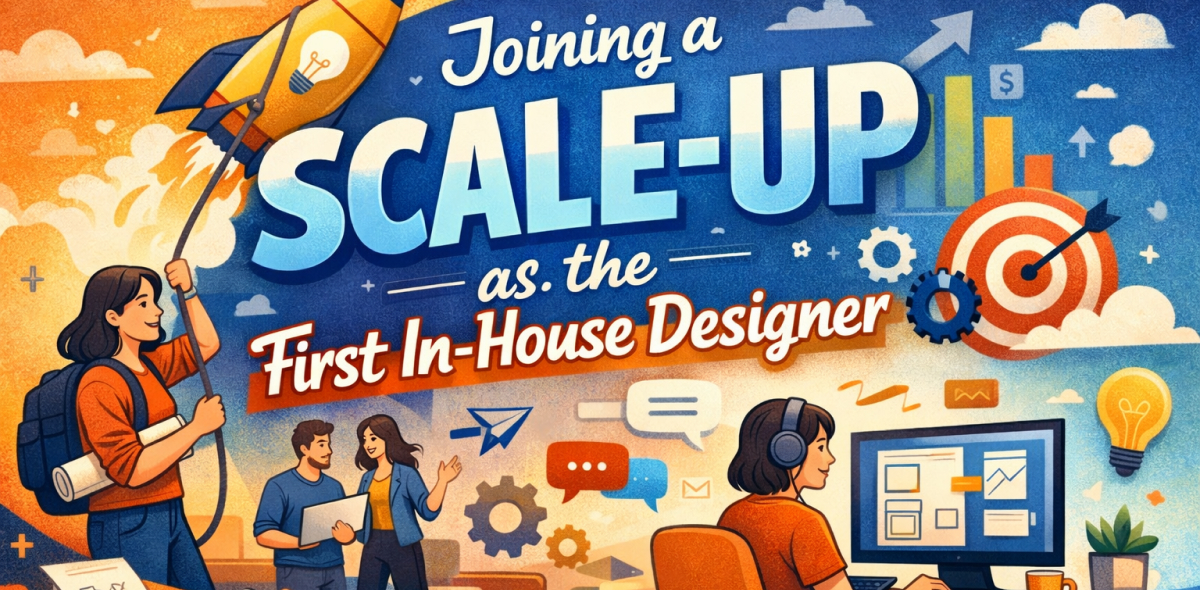
Most designers join their first scale-up role with genuine excitement. It feels like a great opportunity. This blog speaks to the quiet, often unspoken challenges designers face at this stage of a company’s growth.
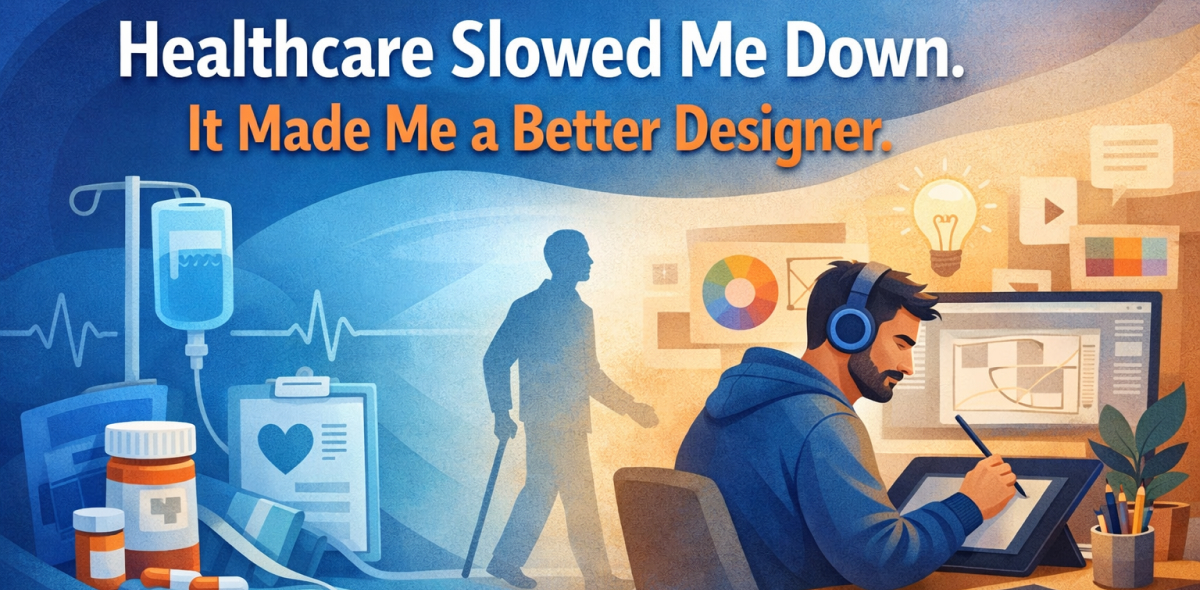
Healthcare slowed me down, but made me a better designer. It made me more thoughtful. More disciplined. More aware that even small design decisions can carry significant consequences.
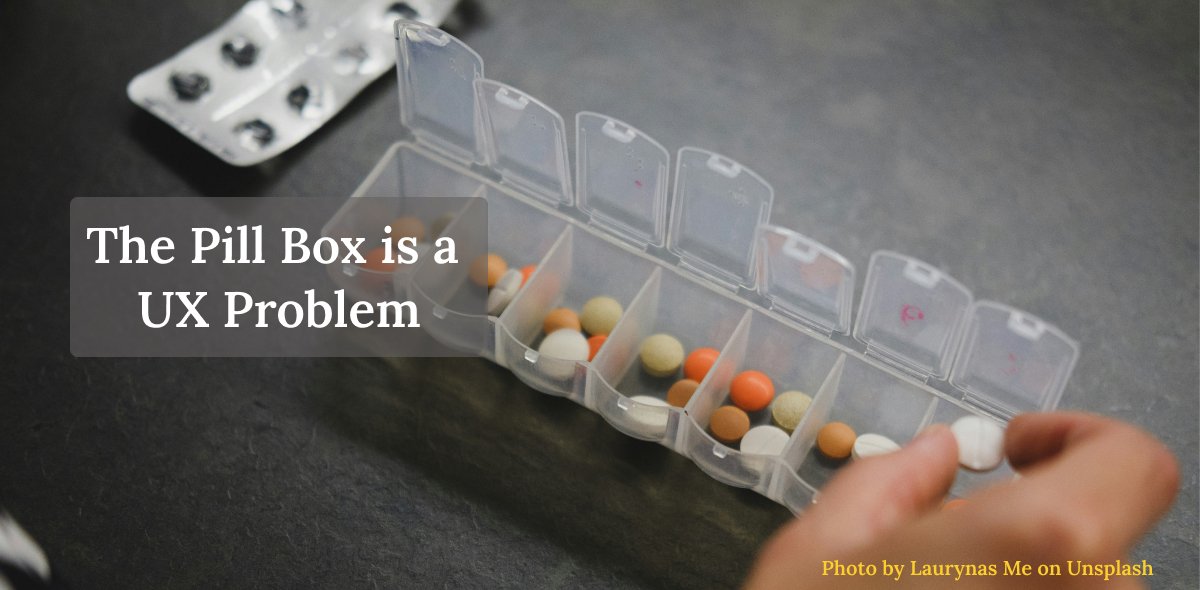
When we talk about Healthcare UX, we generally think about digital products - apps, dashboards, and technology integration. But physical healthcare products are used every single day, and yet they are rarely discussed from a design perspective. Here are a few of my design thoughts on something as simple and as important as a pill box.
UCD is an iterative process where designers continuously involve users through research, testing, and feedback. The goal is to create products that are intuitive, effective, and easy to use, ensuring a high level of usability while meeting both user needs and business objectives.
In simple terms, UX design is about designing the user’s experience, while Product design is about designing the entire product strategy and experience. UX can be seen as a specialised skill, whereas product design is a broader role that requires understanding both users and business.
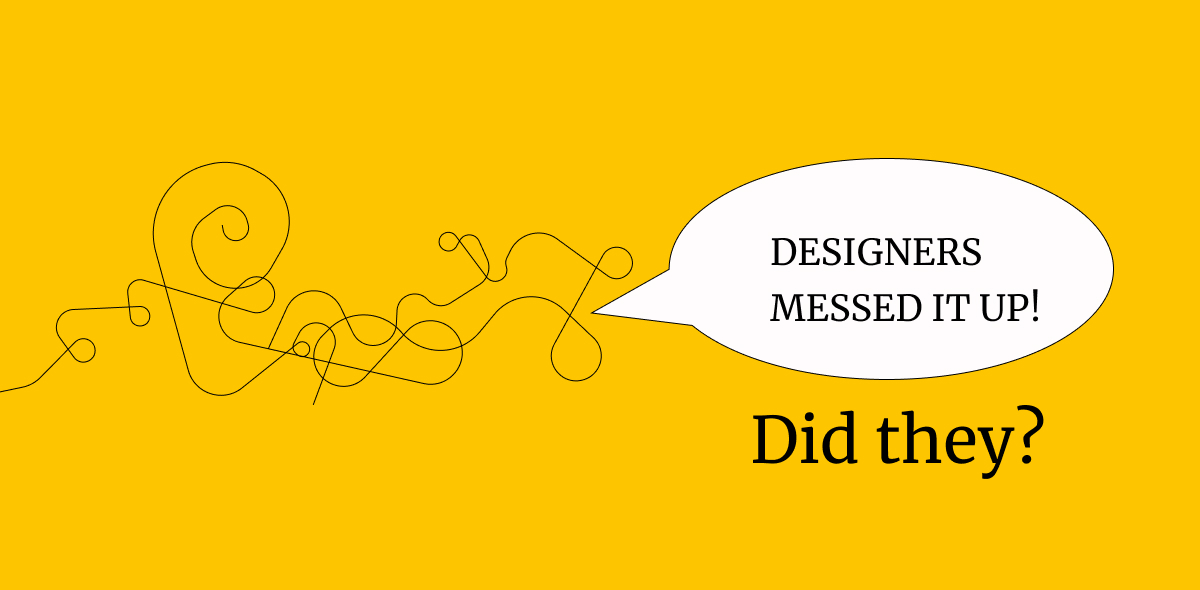
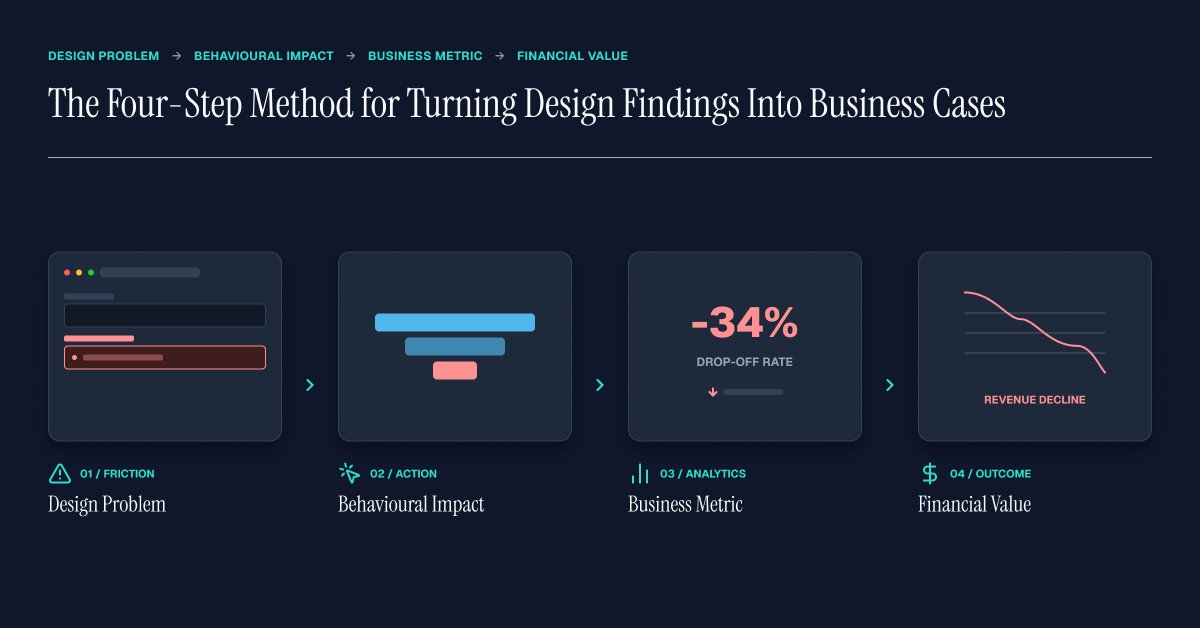
When users abandon carts, get stuck in confusing flows, or leave forms half-filled, designers are often the first ones to get blamed.