
Real stories. Real challenges. Real design decisions.
UXStories.in is a community where designers learn from designers by sharing real-world experiences, case studies, practical insights, and lessons from the field. From solving complex UX challenges to navigating stakeholder conversations and discovering better ways to design, every story helps the community grow.
Every designer has a story worth sharing. Share yours and inspire others.
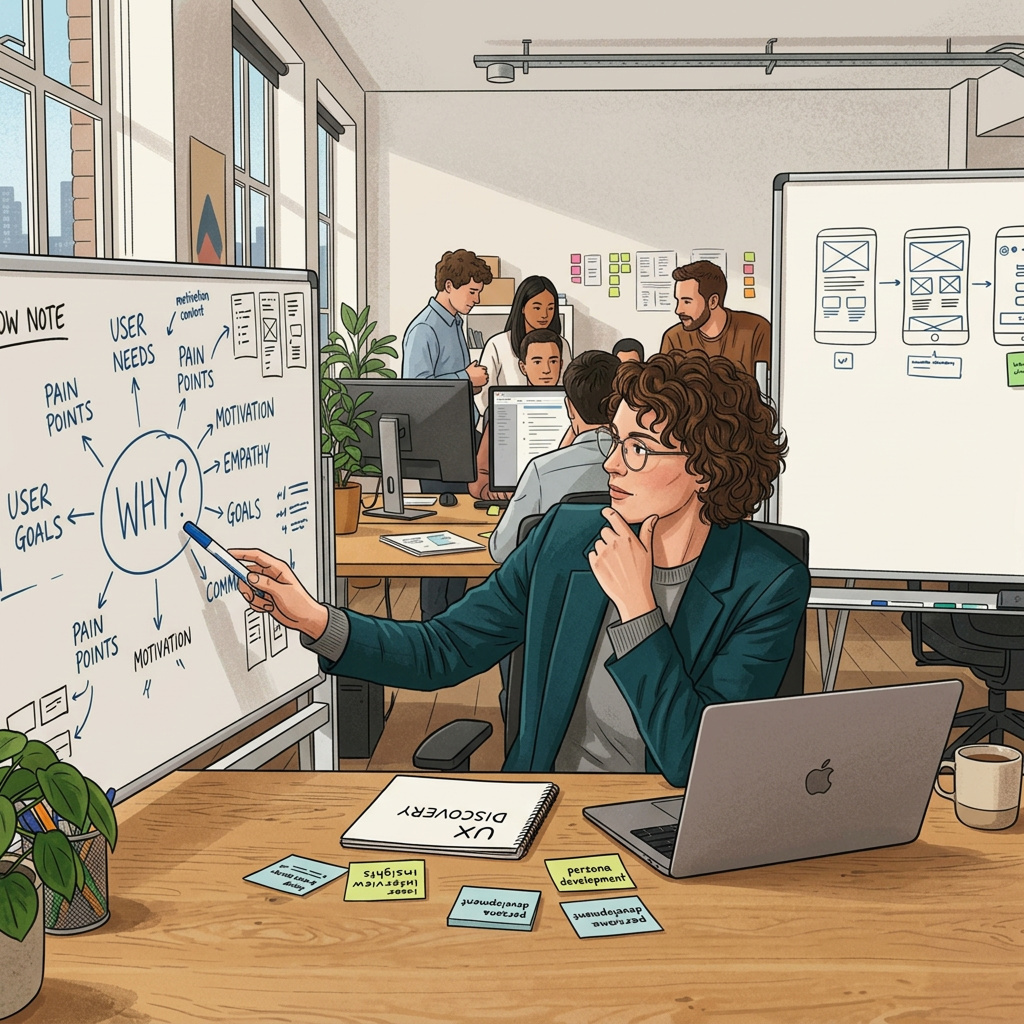
Designers should champion the “why” behind the user’s need.
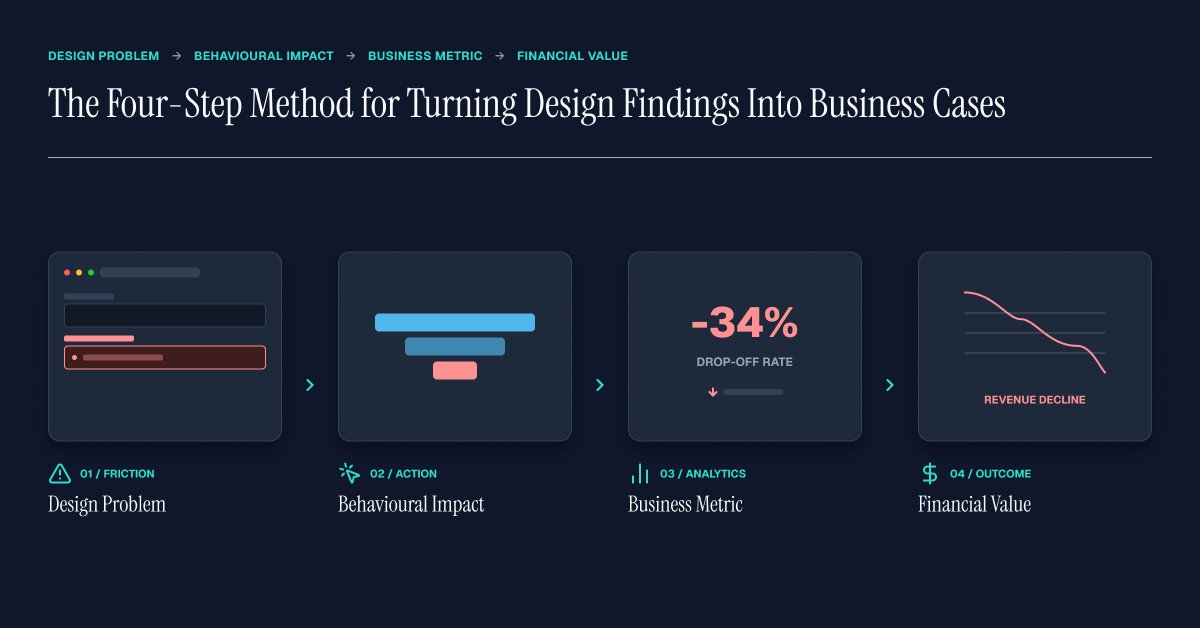
A design finding becomes more actionable when it is connected to measurable business impact. This four-step method helps designers move from identifying a design problem to quantifying its behavioural, business, and financial implications—making design recommendations easier to prioritise, fund, and measure.
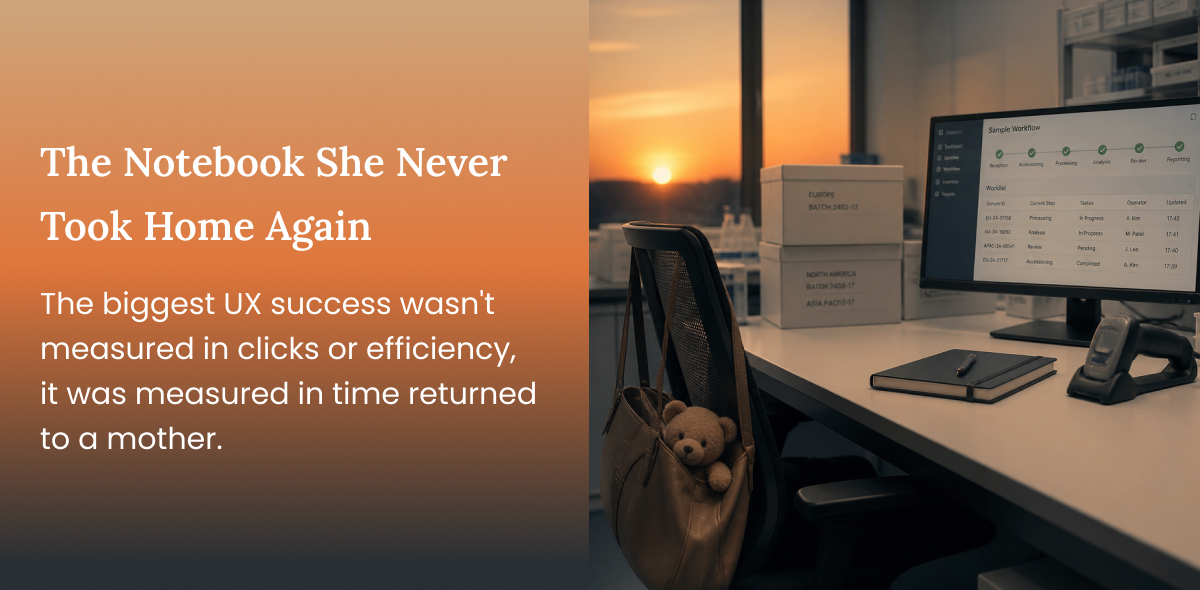
A true story from an enterprise UX project that changed how I define design success. Business metrics like dashboards, KPIs and efficiency gains demonstrate value, but the most meaningful impact of good design is rarely found in a report. Sometimes, it's measured in something far more meaningful: the time we give back to people's lives.
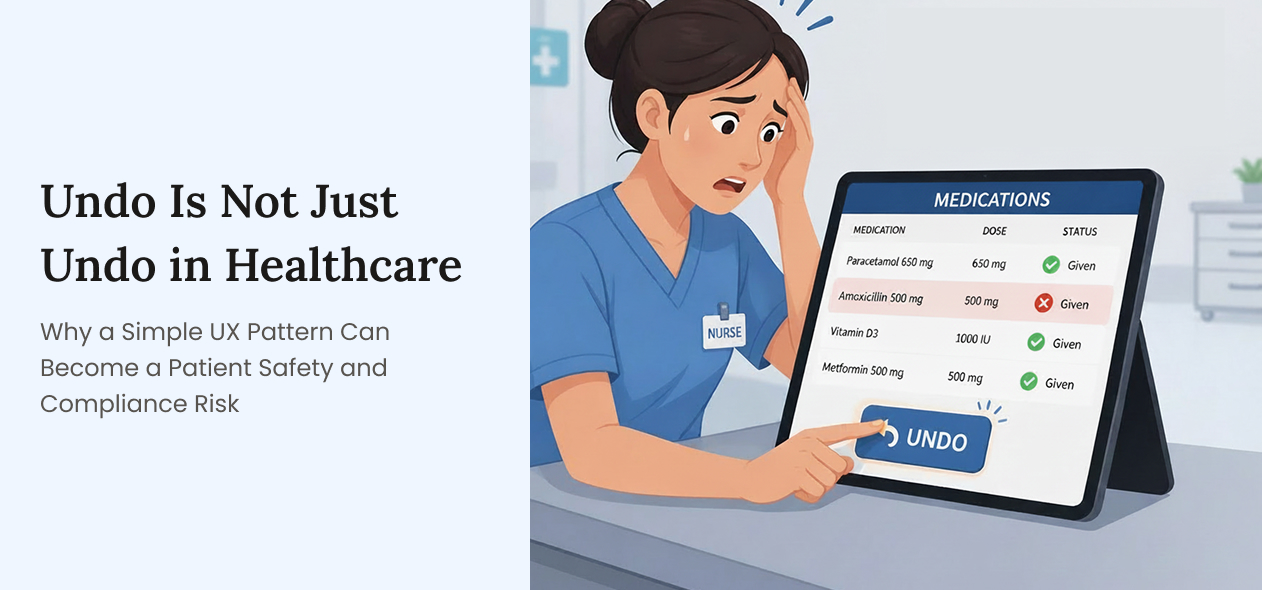
An "Undo" button may seem like a small interaction pattern, but in healthcare it can influence patient safety, staff accountability, compliance readiness, and organisational trust. A Simple UX Pattern Can Become a Patient Safety and Compliance Risk.
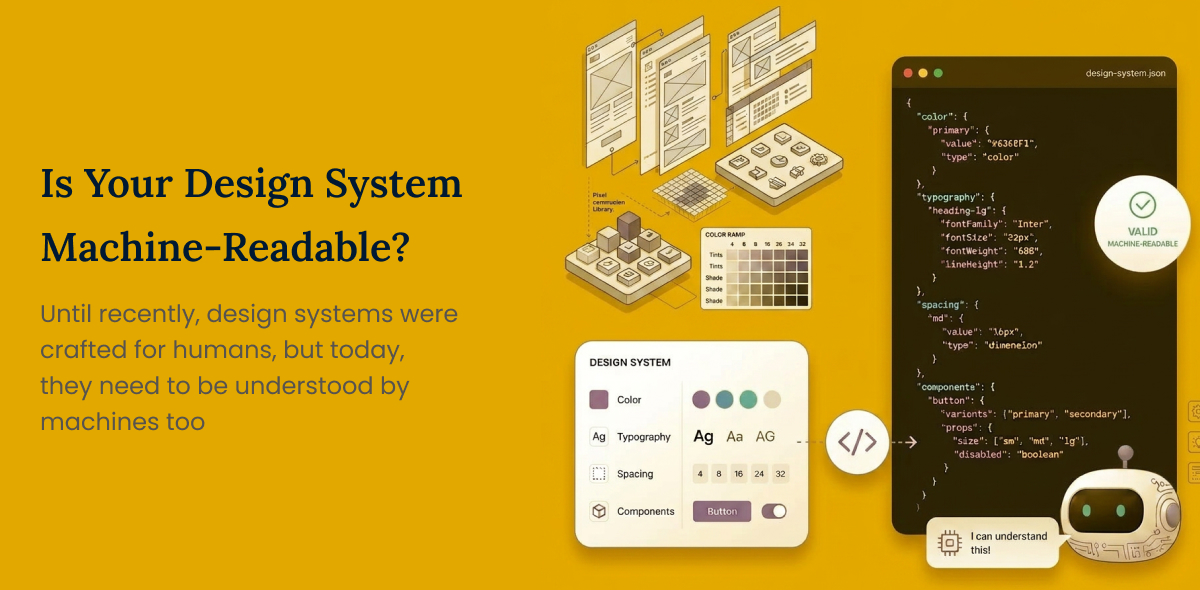
Until recently, design systems were crafted for humans, but today, they need to be understood by machines too
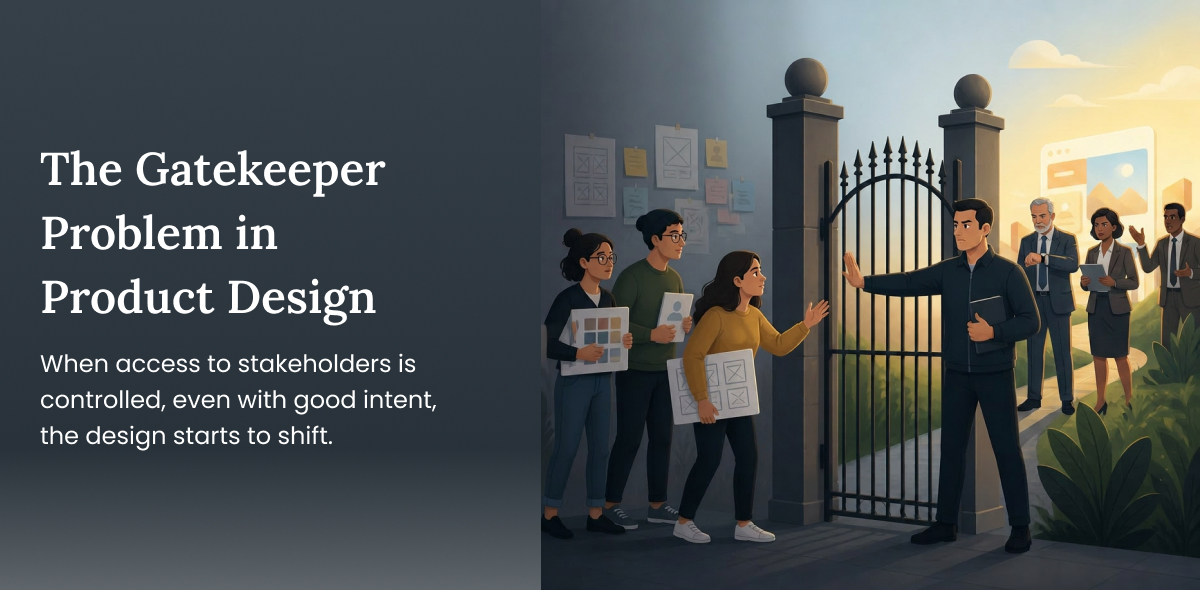
When access to stakeholders is controlled, even with good intent, the design starts to shift. It moves from being insight-driven to instruction-driven.
When users abandon carts, get stuck in confusing flows, or leave forms half-filled, designers are often the first ones to get blamed.
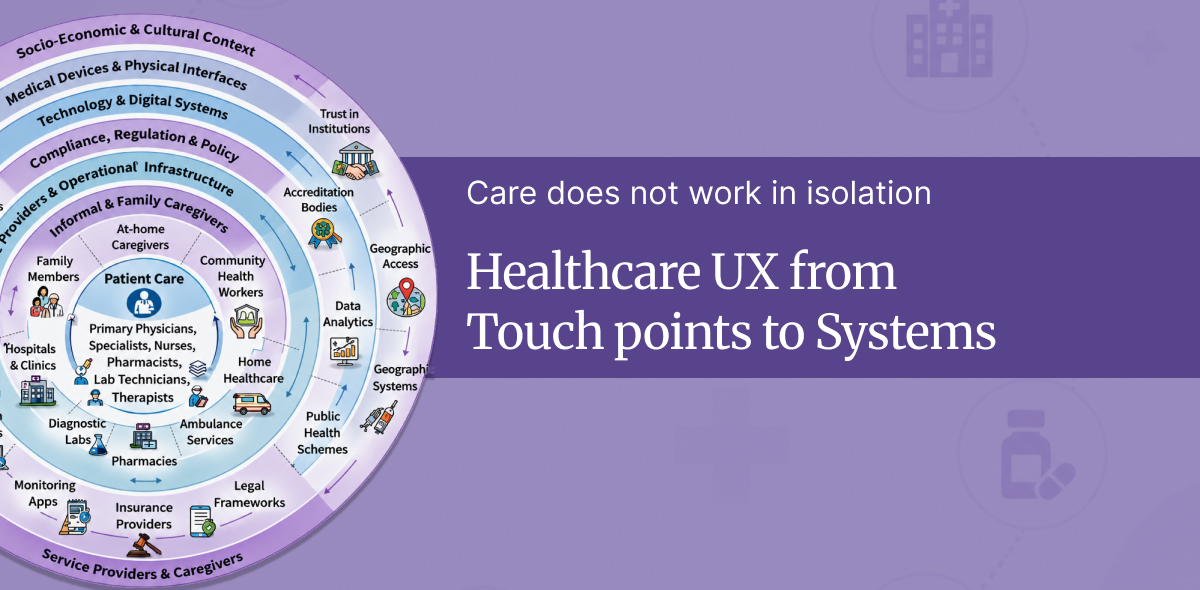
In real life, care does not work in isolation. When someone is unwell, many factors influence their experience, starting with the patient and extending to their family members, caregivers, doctors and nurses, pharmacies, hospitals, policies, digital systems, social support, financial situation and even where they live.
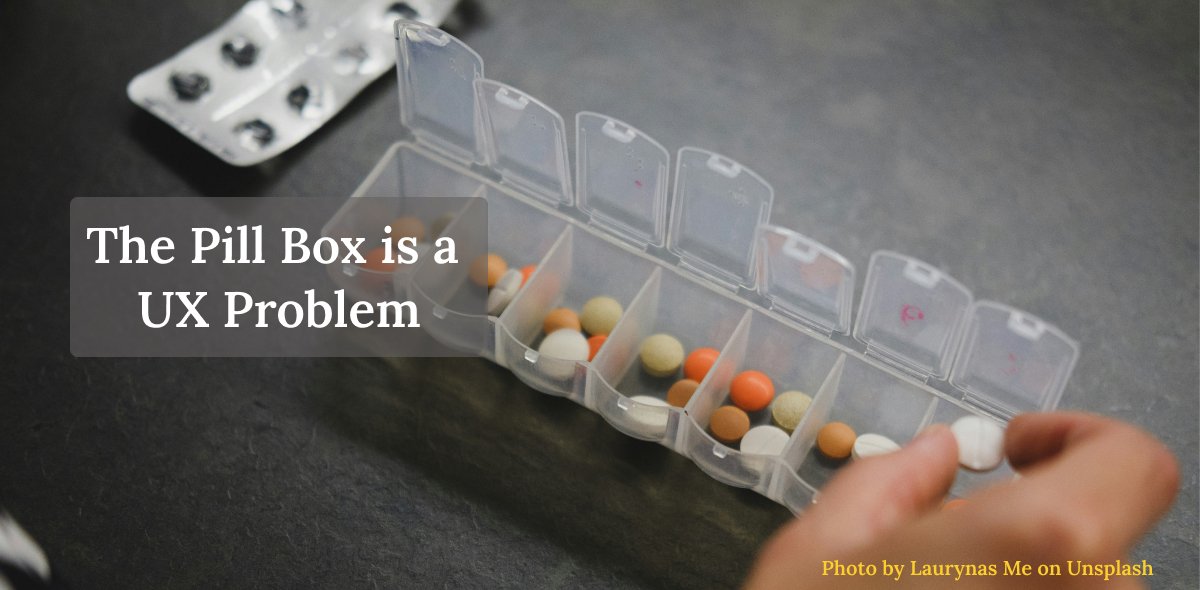
When we talk about Healthcare UX, we generally think about digital products - apps, dashboards, and technology integration. But physical healthcare products are used every single day, and yet they are rarely discussed from a design perspective. Here are a few of my design thoughts on something as simple and as important as a pill box.
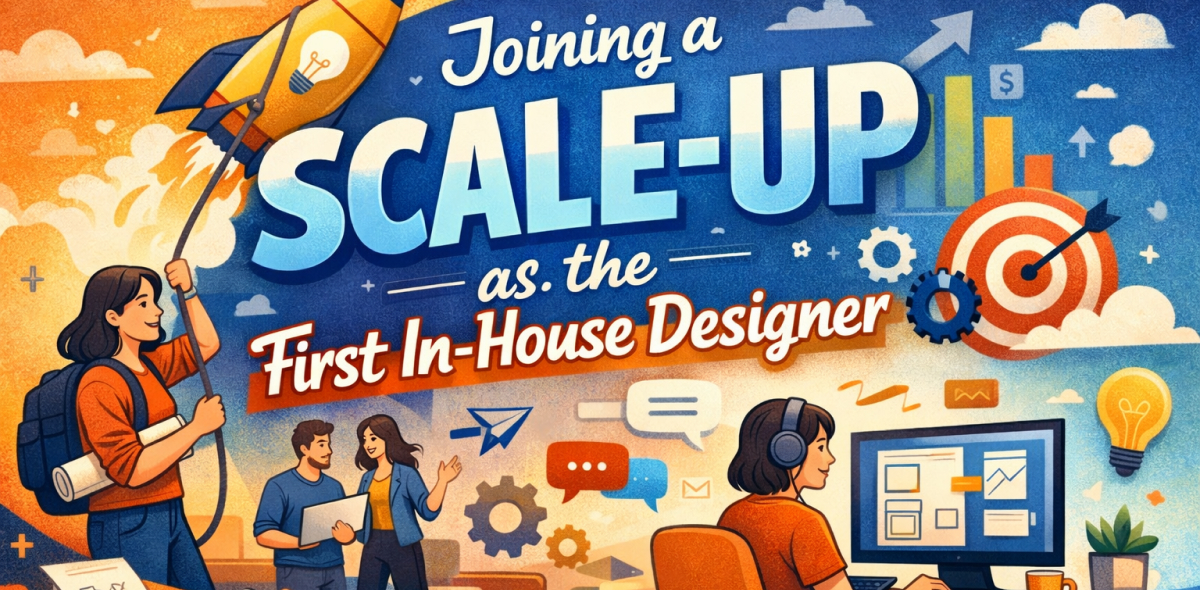
Most designers join their first scale-up role with genuine excitement. It feels like a great opportunity. This blog speaks to the quiet, often unspoken challenges designers face at this stage of a company’s growth.
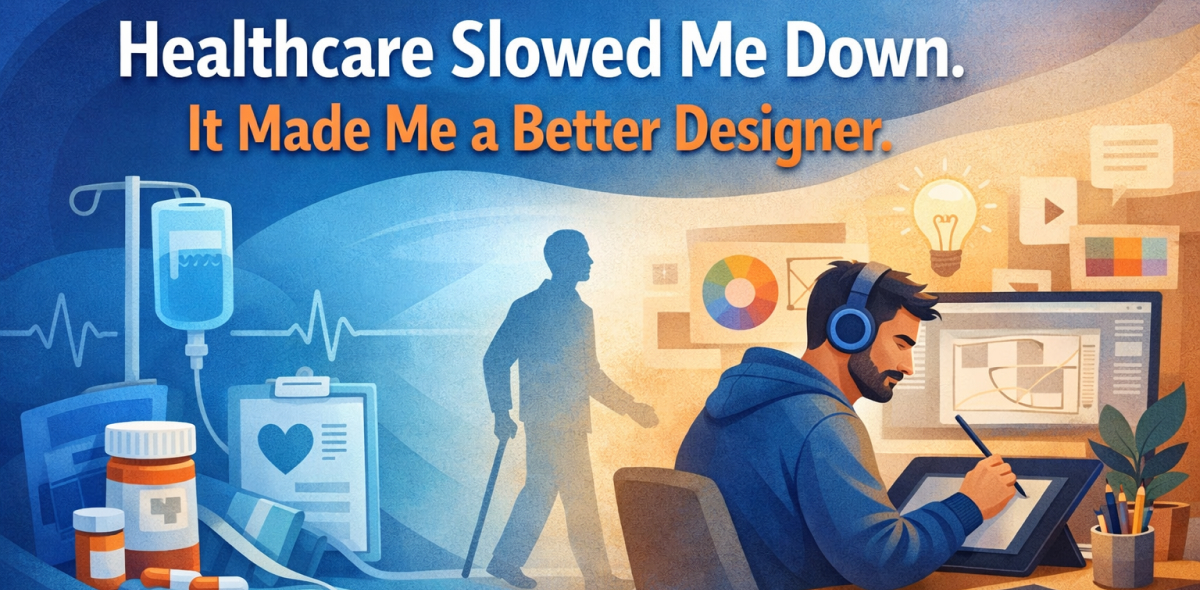
Healthcare slowed me down, but made me a better designer. It made me more thoughtful. More disciplined. More aware that even small design decisions can carry significant consequences.
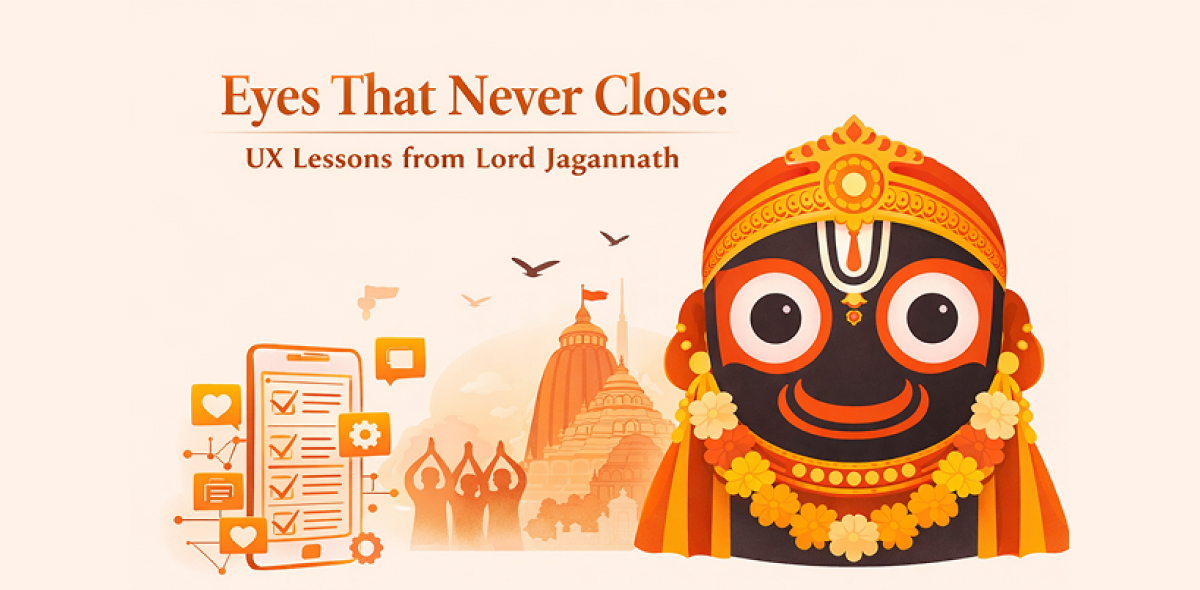
Design doesn’t need to be perfect or realistic. True UX goes beyond function and designs for feeling.
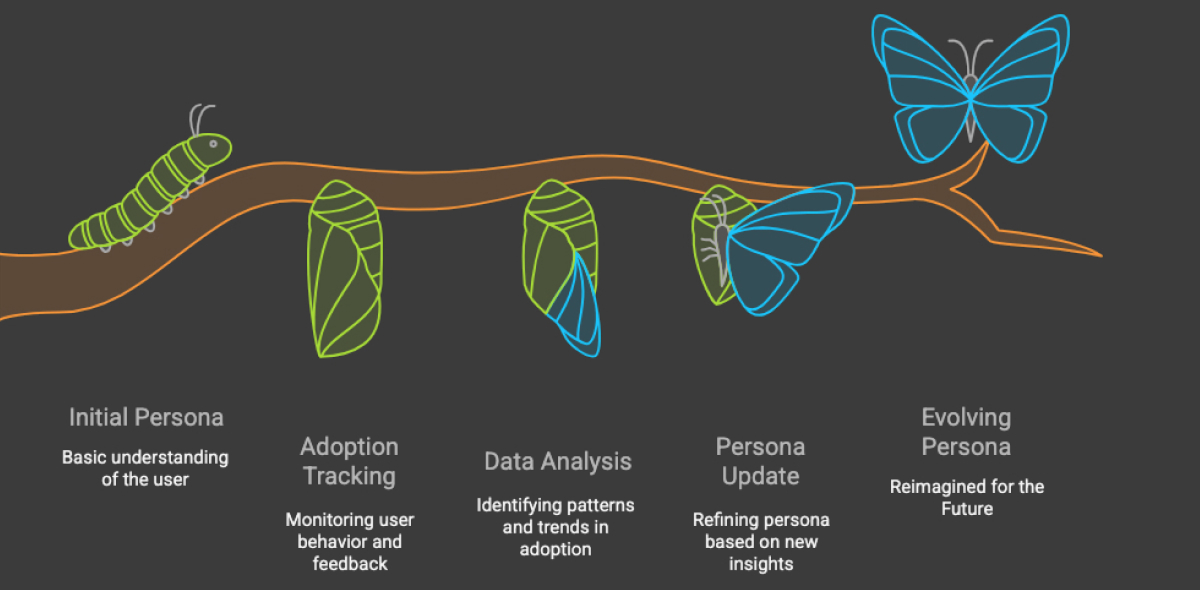
I see personas less as static templates and more as living, evolving, breathing stories.
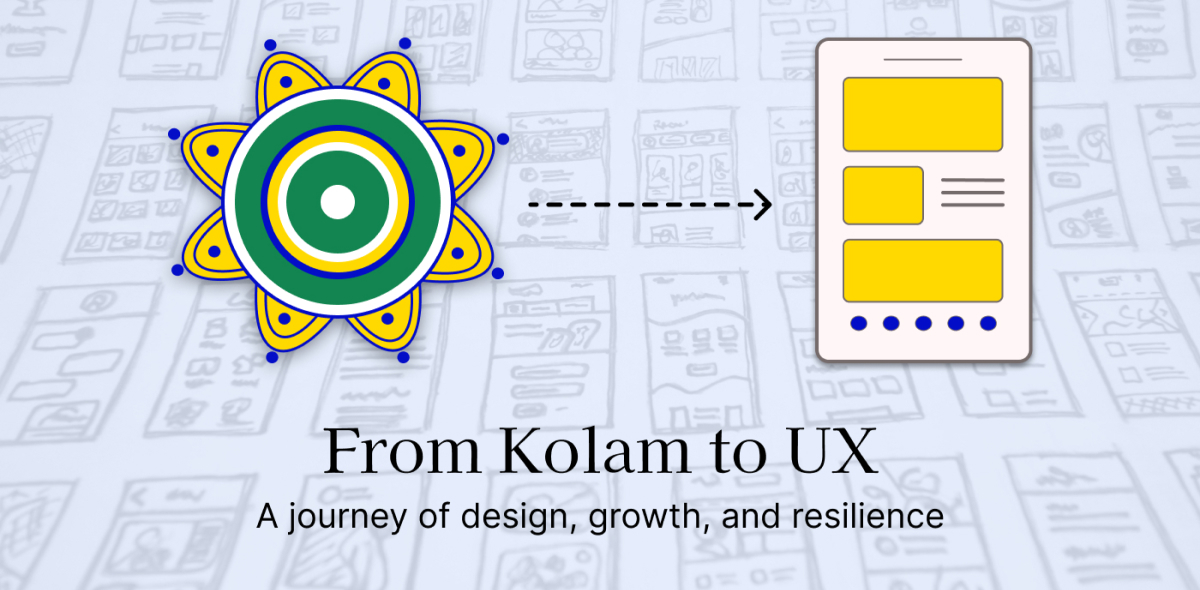
How traditional art forms and family traditions shaped my path from homemaker to UX professional, teaching me the foundations of design thinking.
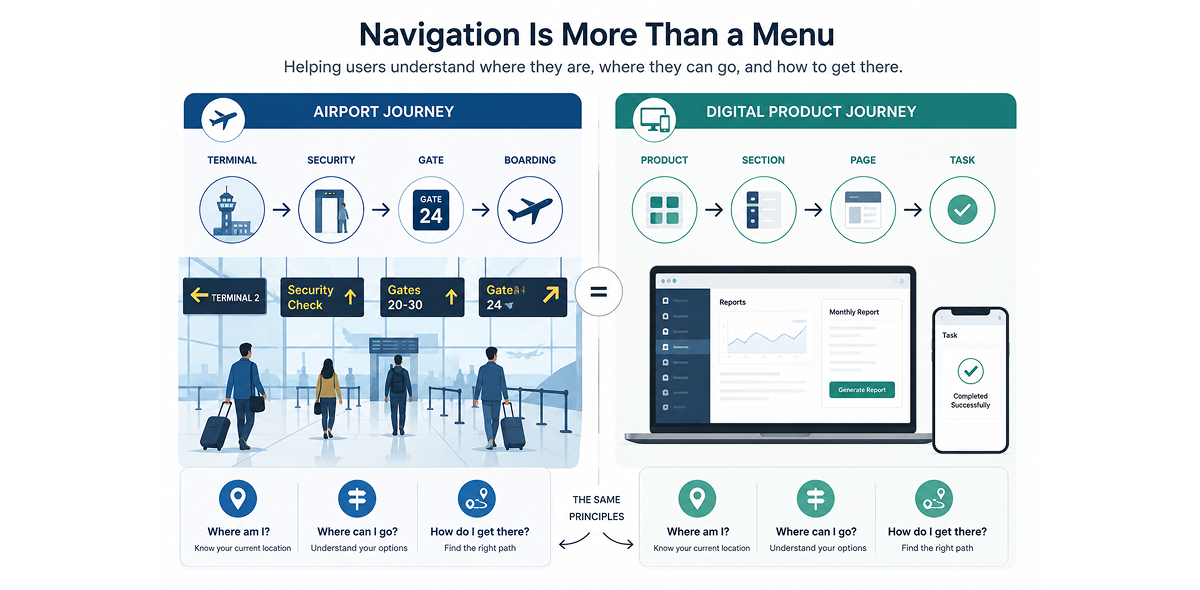
This story introduces navigation as more than just a menu or UI component. Using an airport as a familiar example, it explains how good navigation helps users understand where they are, where they can go, and how to get there. It explores navigation as a connected system shaped by users, content, tasks, and context, setting the foundation for understanding different navigation patterns across desktop and mobile products.
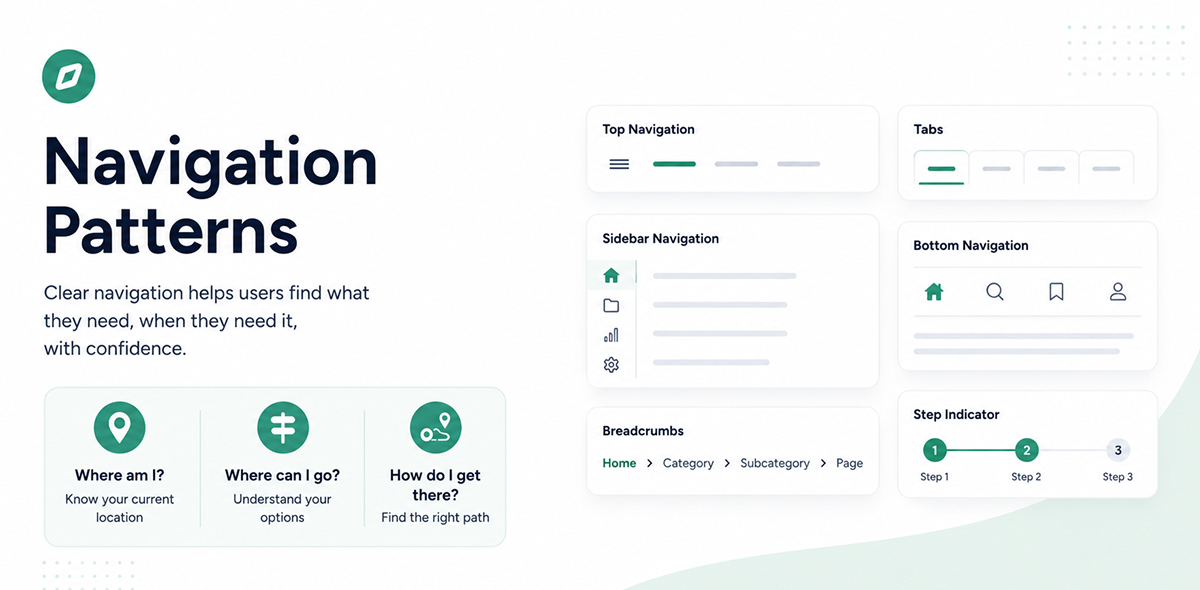
This series explores the different navigation patterns used across desktop and mobile products. Each story looks at a specific pattern, helping you understand what it is, when to use it, what to consider while designing it, and how to choose the right pattern for your product.
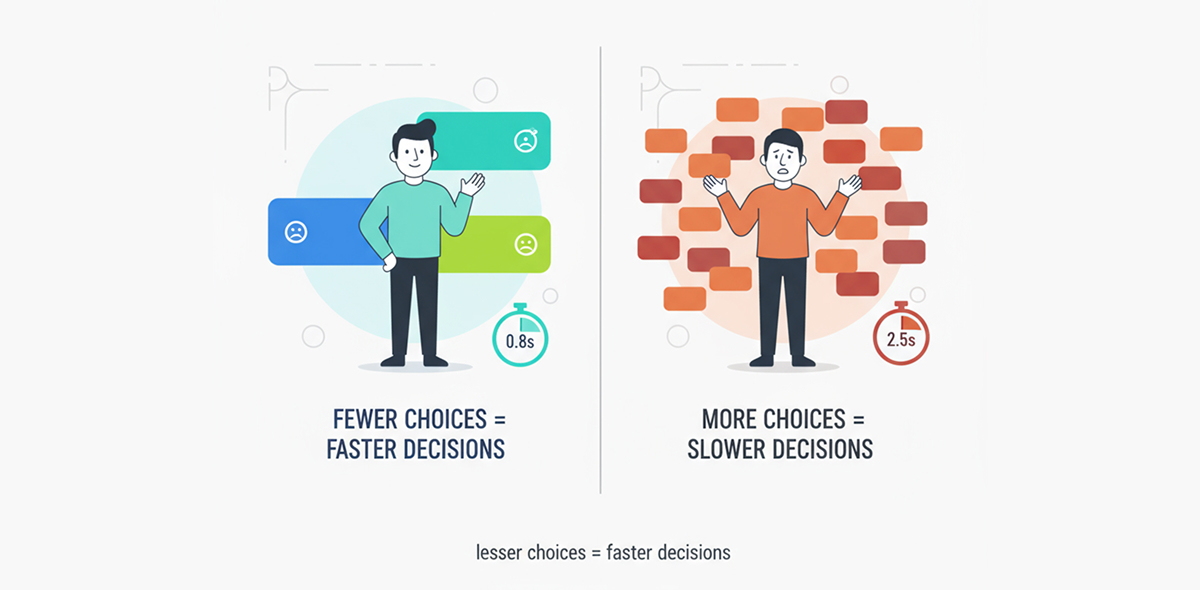
When faced with too many options, decision-making slows down, which in turn delays action to be taken.
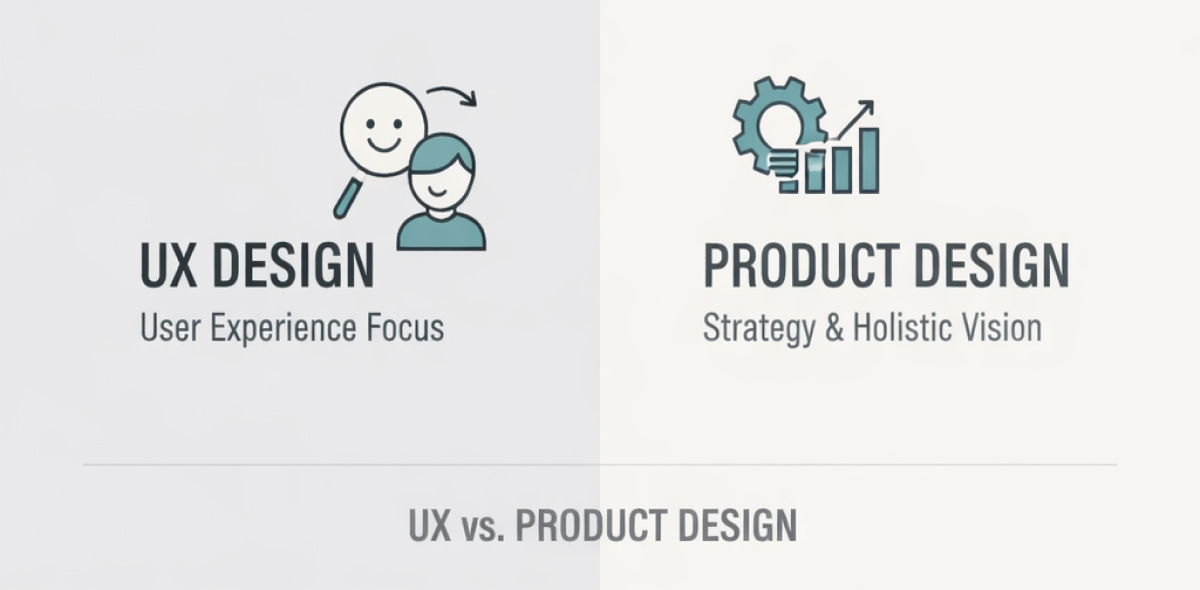
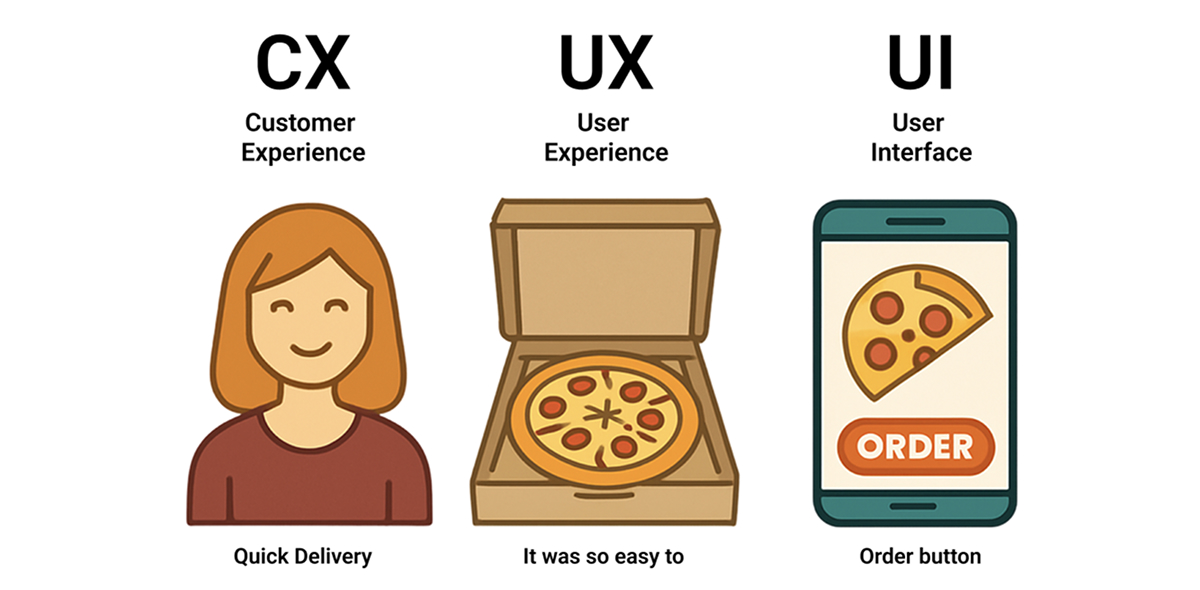
In simple terms, UX design is about designing the user’s experience, while Product design is about designing the entire product strategy and experience. UX can be seen as a specialised skill, whereas product design is a broader role that requires understanding both users and business.
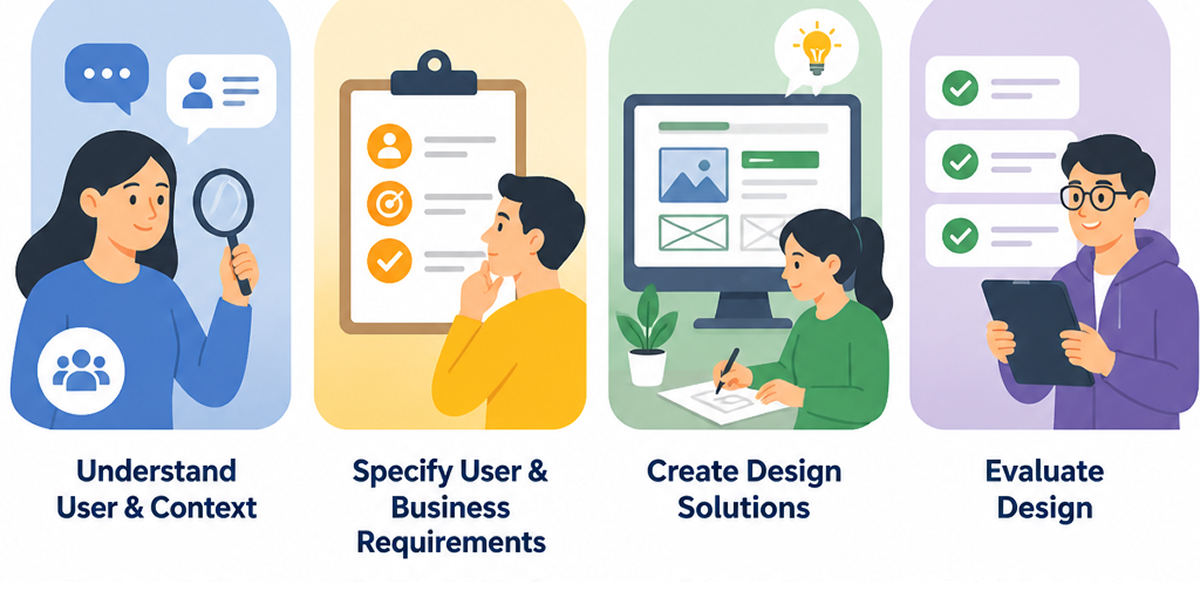
UCD is an iterative process where designers continuously involve users through research, testing, and feedback. The goal is to create products that are intuitive, effective, and easy to use, ensuring a high level of usability while meeting both user needs and business objectives.
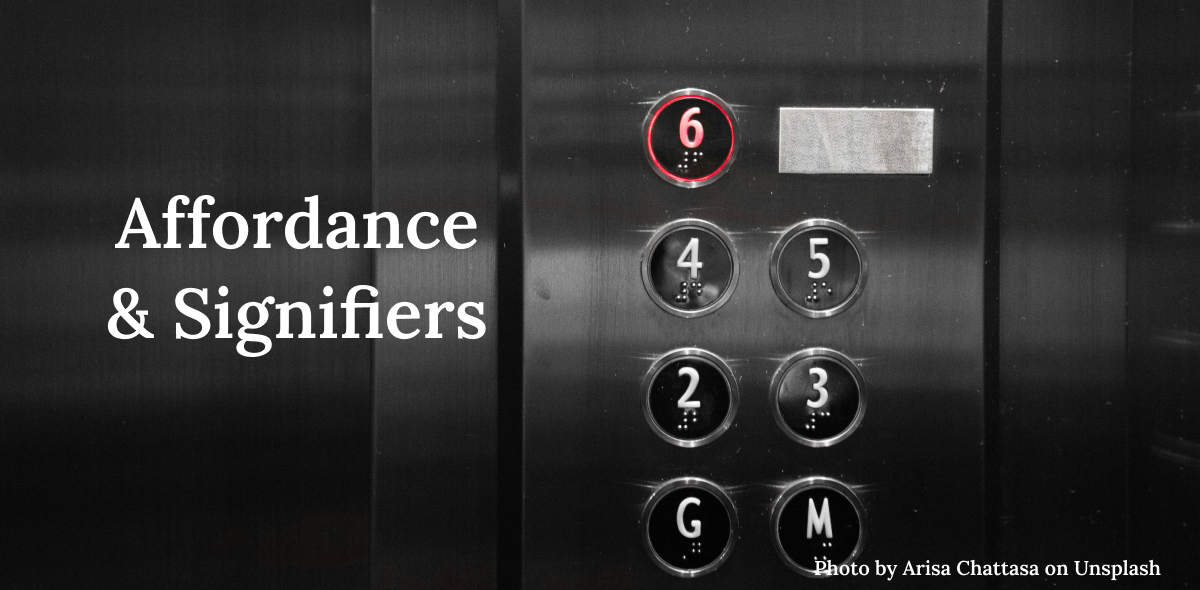
Affordance defines what actions are possible. Signifier communicates how and where to act.
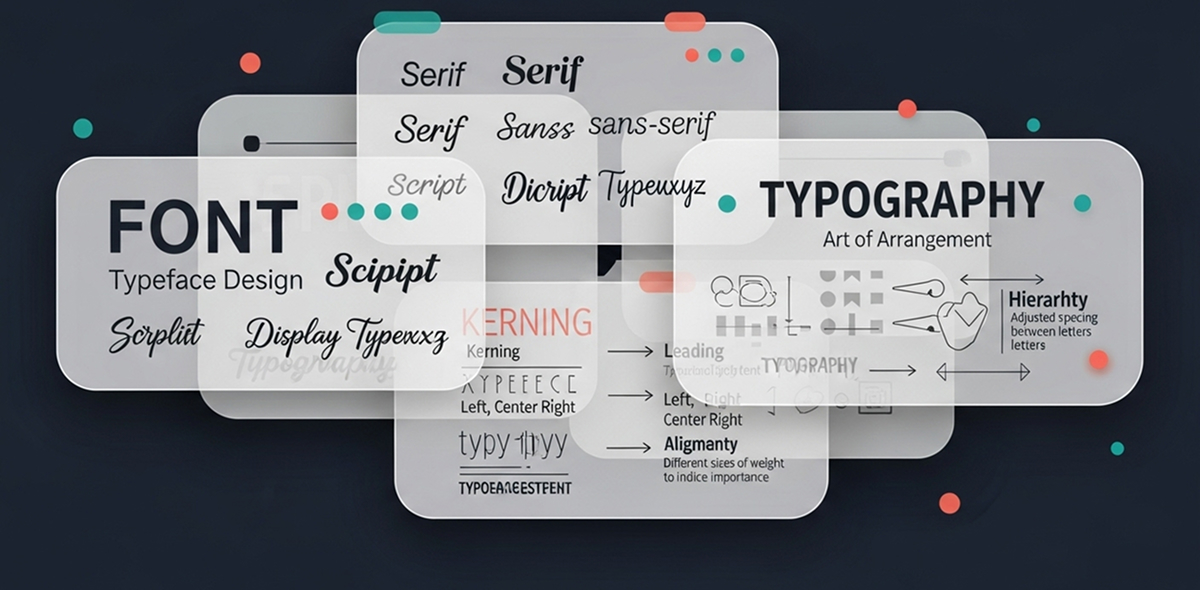
A typeface is a complete set of characters, font is a single instance within that typeface, typography is the practice of arranging text
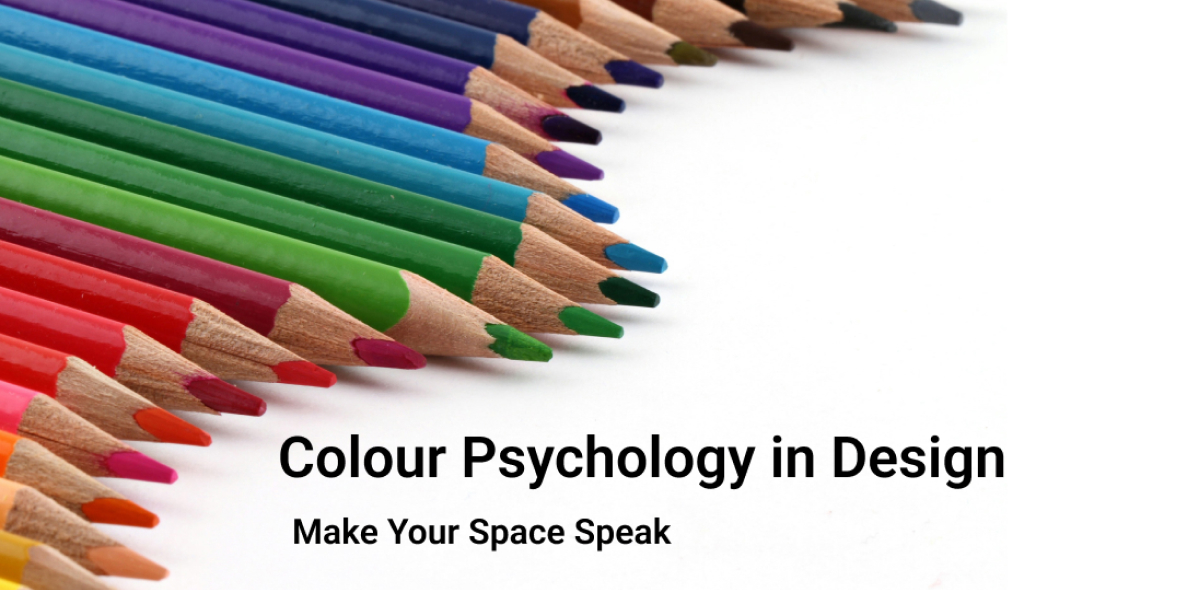
Different colours evoke specific feelings, like blue for trust, red for energy, or green for growth. This can shape how people interact with products, brands, and environments.
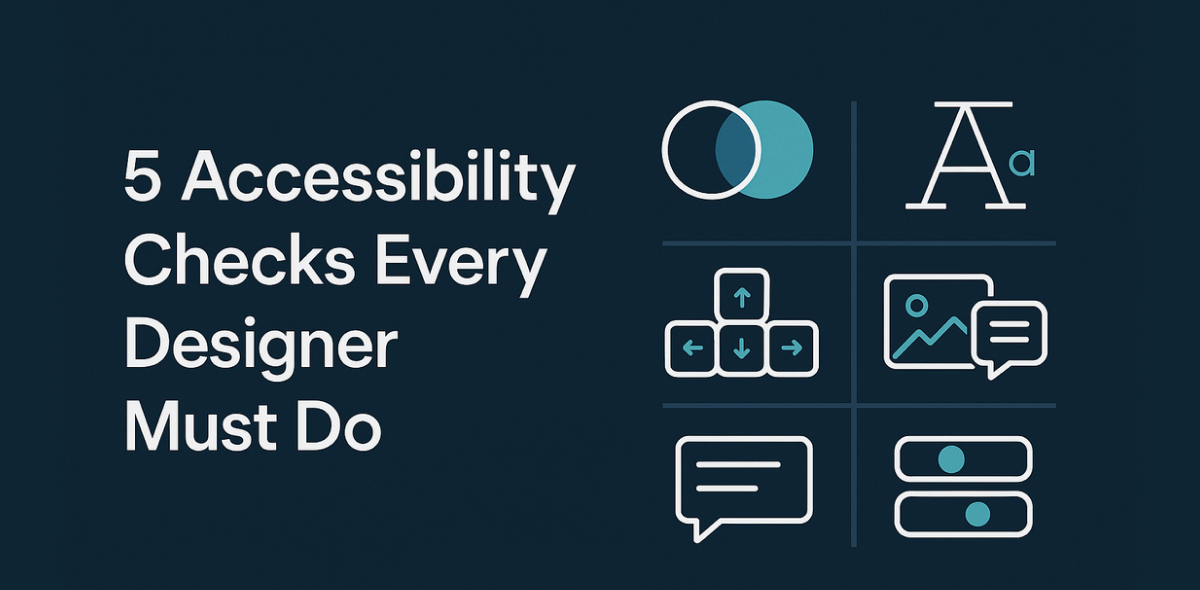
As a designer, your role goes beyond creating visually appealing interfaces. You need to ensure that every product is inclusive, accessible, and usable by a diverse range of people
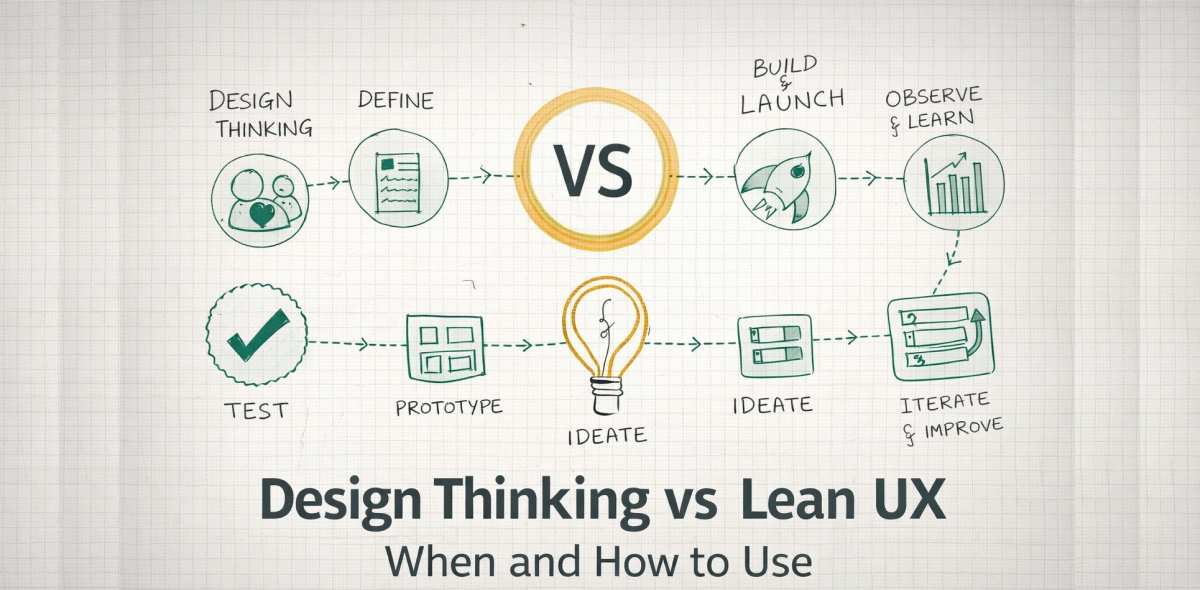
Today, AI is the hot buzzword in every industry. But if we go back a couple of decades, the term that had captured everyone's attention was Design Thinking.